Pollution Control

ADVERTISEMENT

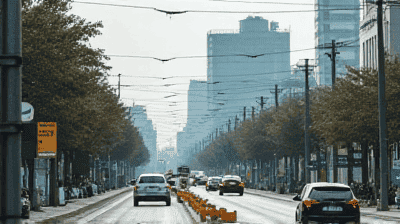
Urban Heat Islands: Causes, Effects, and Cooling Solutions

As urban areas continue to grow and develop, a concerning phenomenon known as the urban heat island effect has emerged. This effect not only impacts local climates but also poses significant challenges for public health, energy consumption, and sustainability.

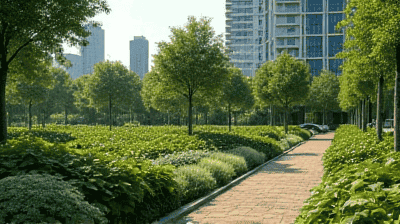
How Rooftop Gardens and Cool Roofs Combat Heat Pollution

As urban areas continue to expand, the phenomenon known as the urban heat island effect has become increasingly pronounced. Cities often experience higher temperatures than surrounding rural areas due to human activities, dense infrastructure, and limited vegetation.

How Phytoremediation Uses Plants to Clean Up Toxic Soil

Soil pollution is an increasingly pressing environmental issue that threatens ecosystems, agriculture, and human health. Contaminated soils are often the result of industrial activities, agricultural practices, waste disposal, and urban development, leading to the presence of hazardous chemicals, heavy metals, and organic pollutants.

How Oil Spills Are Cleaned Up: Methods and Environmental Impact

Oil spills are among the most significant environmental disasters that can occur in aquatic ecosystems, leading to dire consequences for marine life, coastal communities, and global ecosystems. The release of oil into marine and freshwater environments can devastate local wildlife, disrupt ecosystems, and have lasting effects on economies that depend on fishing and tourism.

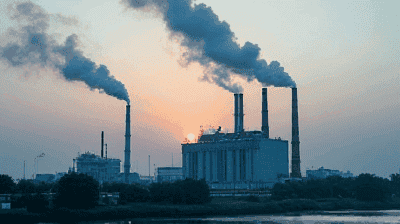
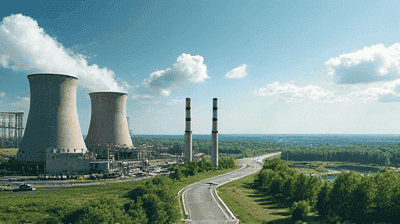
The Environmental Impact of Thermal Pollution from Power Plants

As the demand for energy continues to rise globally, power plants remain a primary source of electricity generation. However, many power plants, especially those that are thermoelectric, contribute significantly to thermal pollution—an often-overlooked environmental issue.

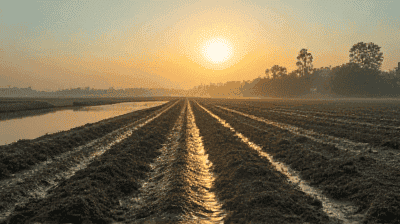
5 Innovative Solutions to Stop Agricultural Runoff from Polluting Waterways

Agricultural runoff is a significant contributor to water pollution, posing serious threats to the health of our waterways, ecosystems, and communities. As rainwater and melting snow wash over agricultural fields, they can carry fertilizers, pesticides, and sediment into nearby rivers, lakes, and oceans.

How Urban Gardening Can Help Rehabilitate Polluted Land

In the face of rapid urbanization and industrial development, many cities around the world are grappling with the consequences of soil pollution. Contaminated land poses significant environmental and public health risks, affecting not only local ecosystems but also the communities that depend on these areas for food, recreational spaces, and overall quality of life.

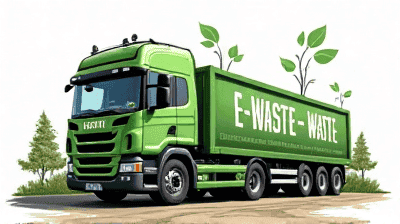
Electronic Waste (E-Waste) Recycling: Preventing Soil Contamination

In today's digital world, the proliferation of technological devices has led to a growing concern: electronic waste, commonly known as e-waste. E-waste encompasses a wide range of discarded electronic products, including old computers, smartphones, tablets, televisions, and other gadgets.


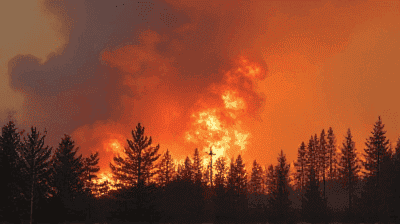
The Impact of Wildfires on Air Pollution and How to Mitigate It

Wildfires have become increasingly prevalent in many parts of the world, exacerbated by climate change, land management practices, and urban development. As they rage across forests and grasslands, they release vast amounts of pollutants into the atmosphere, significantly affecting air quality.

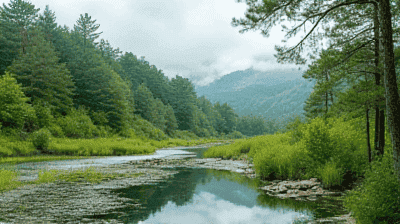
The Role of Wetlands in Naturally Filtering Polluted Water

Wetlands are among the most productive ecosystems on the planet, serving as critical buffers against pollution and playing an integral role in the health of both terrestrial and aquatic environments. These unique ecosystems provide numerous ecological services, with one of the most vital being their ability to filter and purify polluted water.
  • 1
  • 2
  • 3